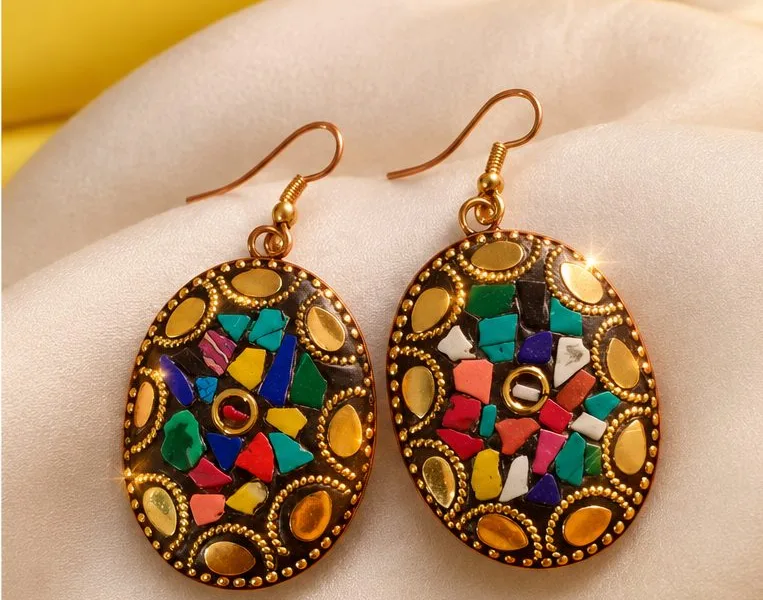
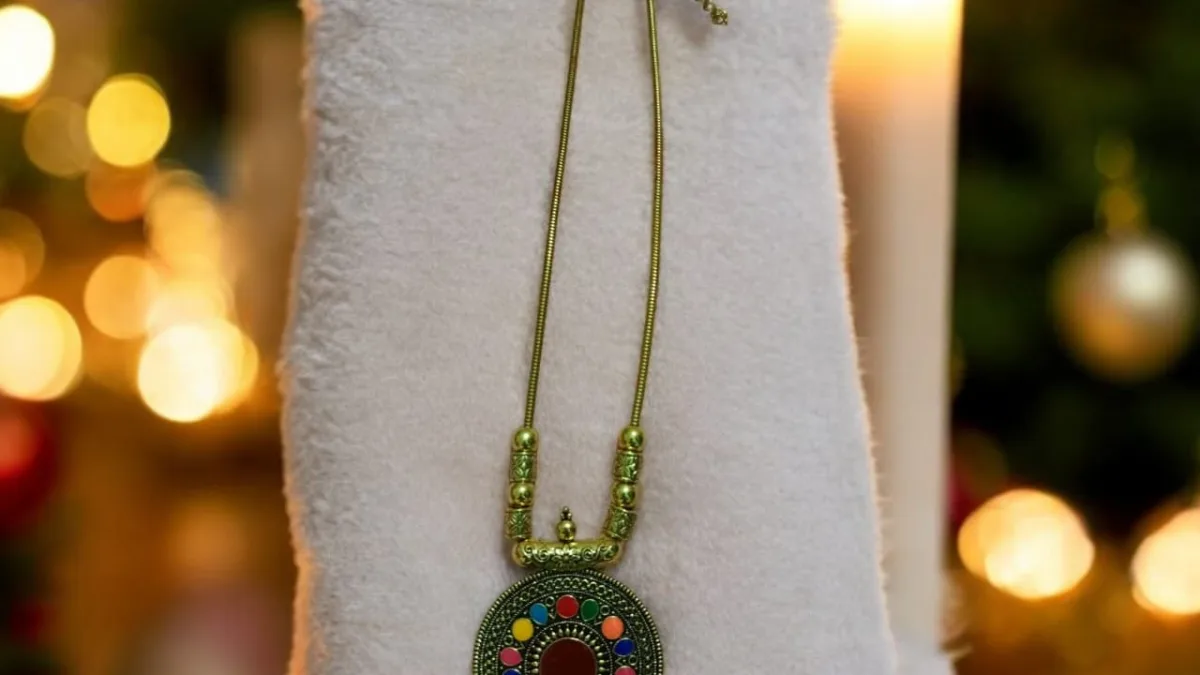
Two necklaces can look identical on the shelf and behave completely differently within a year. The difference is almost always the layer of gold — how thick, and over what.
Gold plated
A very thin layer of gold, often under half a micron, over brass or steel. It is the most affordable finish and the least durable; with daily wear the layer can fade within months, especially on rings and bracelets that rub.
Gold vermeil
Vermeil (pronounced ver-may) is the honest middle. It requires a sterling-silver base and a thicker gold layer — at least two and a half microns — which is roughly five times a typical plate. It keeps its colour for years and suits sensitive skin.
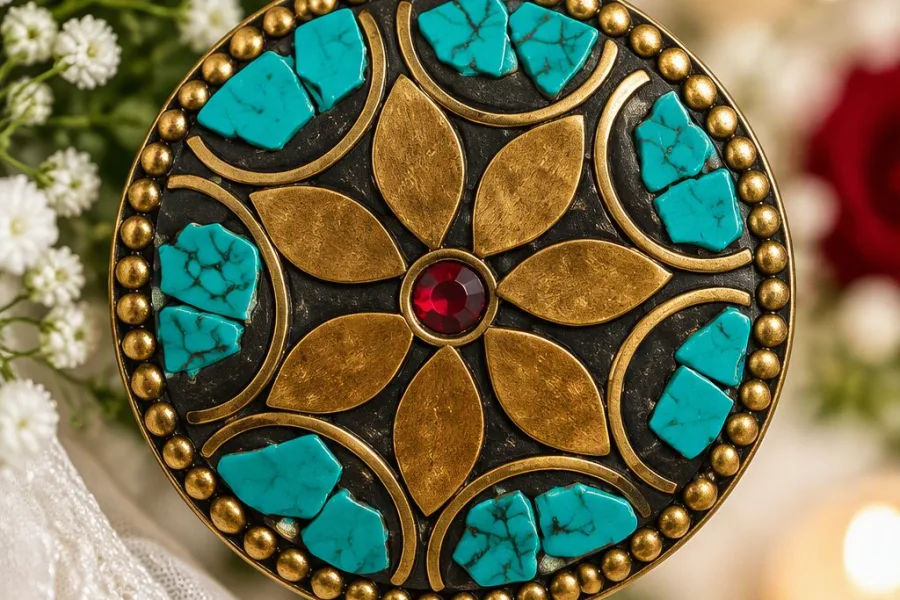
Vermeil is not a compromise. For most everyday wear, it is the sensible answer.
The Mihrunnisa atelier
Solid gold
When we say solid, we mean an alloy of the whole piece — 18k or 22k, depending on the setting. It is the heirloom choice: it can be repaired, re-polished and re-set forever, and it holds its value. For bridal commissions and pieces you intend to pass on, it is worth the premium.
- Everyday, sensitive skin, tight budget — gold vermeil over sterling silver.
- Special occasions and fine settings — 18k solid gold.
- Heirlooms and bridal — 22k or 18k solid gold with polki or kundan.